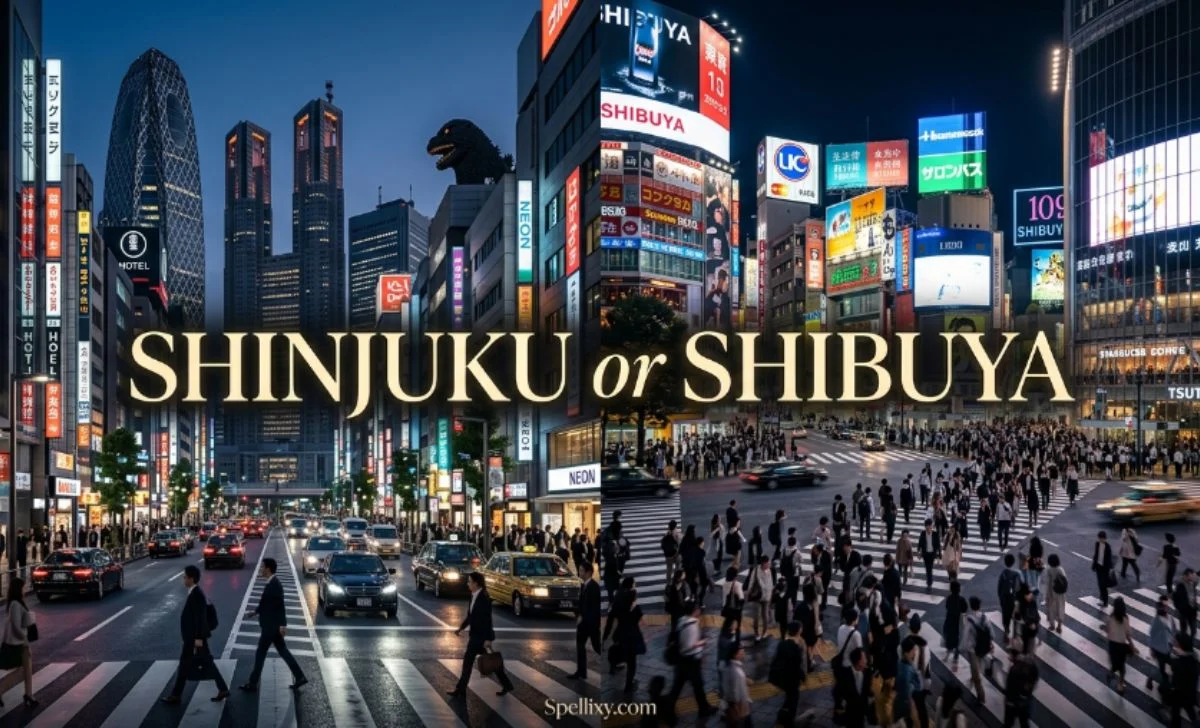
If you are planning your first trip to Tokyo, choosing between Shinjuku or Shibuya can be surprisingly difficult.
Both are famous, central, lively, and packed with hotels, restaurants, shopping, and things to do. Yet the experience is quite different.
Shibuya is usually better for first-time visitors who want modern Tokyo, shopping, cafés, fashion, and easy access to nearby attractions.
Shinjuku is often better for nightlife, food, transport connections, and travelers who want more variety. For families, either can work well if you choose a quieter hotel location.
The right choice depends on what matters most to you. Here is how Shinjuku and Shibuya compare for the things travelers care about most.
Shinjuku or Shibuya: Quick Answer
For a simple answer, Shibuya is the better overall choice for many first-time tourists, while Shinjuku is the better choice for nightlife, food, and transport convenience.
| What matters most | Better choice |
|---|---|
| First-time Tokyo trip | Shibuya |
| Nightlife | Shinjuku |
| Clubs and modern nightlife | Shibuya |
| Food variety | Shinjuku |
| Shopping and fashion | Shibuya |
| Families | Shibuya |
| Transport connections | Shinjuku |
| Late-night dining | Shinjuku |
| Modern Tokyo atmosphere | Shibuya |
| Variety of experiences | Shinjuku |
| Luxury and fine dining | Ginza |
The important thing is that neither neighborhood is objectively “better.” They simply suit different types of trips.
What Is the Difference Between Shinjuku and Shibuya?
Shinjuku and Shibuya are both major Tokyo districts, but their personalities are easy to tell apart.
Shibuya feels younger, trendier, and more modern. It is strongly associated with Shibuya Crossing, fashion, shopping, cafés, music, entertainment, and Japanese youth culture.
It is also close to Harajuku, Meiji Jingu, and Omotesando, making it convenient for visitors who want to explore several popular areas on foot.
Shinjuku feels bigger, busier, and more diverse. It combines skyscrapers, department stores, restaurants, entertainment streets, nightlife, quiet green spaces, and one of Tokyo’s most important transport hubs.
That difference becomes especially important when choosing where to stay.
If you imagine your Tokyo trip as shopping, cafés, street photography, and modern city life, Shibuya may feel more natural.
If you imagine ramen, izakaya, bars, nightlife, train connections, and exploring different parts of Tokyo, Shinjuku may suit you better.
Why Shibuya Is Better for Many First-Time Visitors
Shibuya gives first-time tourists a strong introduction to modern Tokyo without requiring them to travel far between every attraction.
You can begin at Shibuya Crossing, explore the surrounding shopping streets, visit Shibuya Sky, stop at a café, and then continue toward Harajuku or Meiji Jingu.
That makes the area especially attractive if you want to spend your first few days seeing famous Tokyo sights while also experiencing everyday city life.
Shibuya is particularly good for:
- First-time visitors
- Couples
- Young travelers
- Shopping lovers
- Fashion fans
- Café lovers
- Travelers who enjoy walking
- Visitors interested in modern Japanese culture
The district is also well connected to other popular areas. That means you can stay in Shibuya without feeling isolated from the rest of Tokyo.
The main drawback is crowding. The central area can become extremely busy, particularly around the famous crossing and major shopping streets.
Why Shinjuku May Be Better for Your Trip
Shinjuku’s biggest strength is variety.
You can spend the afternoon shopping, walk through Shinjuku Gyoen, eat at a ramen shop, visit an izakaya, explore Golden Gai, and experience Kabukicho after dark.
It also makes a practical base for travelers who plan to move around Tokyo frequently. Shinjuku Station connects travelers with multiple railway and subway services, although its enormous size can be confusing for first-time visitors.
Shinjuku is especially attractive if you want:
- Nightlife
- Late-night restaurants
- Bars and izakaya
- Large shopping areas
- Many hotel choices
- Convenient transport
- Different types of entertainment
- Easy access to other parts of Tokyo
The western side of Shinjuku also feels very different from the entertainment districts. Around the Tokyo Metropolitan Government Building, for example, the atmosphere is more business-oriented and spacious.
So don’t think of Shinjuku as one single type of neighborhood. Its atmosphere changes dramatically depending on where you are.
Shinjuku or Shibuya for Nightlife?
If nightlife is your priority, Shinjuku usually wins for variety, while Shibuya is excellent for a more modern club and entertainment scene.
Shinjuku is famous for Kabukicho and Golden Gai. Kabukicho is a major entertainment district, while Golden Gai is known for its narrow lanes and many tiny bars.
Shibuya, meanwhile, is known for clubs, music venues, bars, and the energetic streets around Center-Gai and Dogenzaka.
The difference is mostly about atmosphere.
Choose Shinjuku if you want to move between small bars, izakaya, late-night restaurants, karaoke, and different nightlife areas.
Choose Shibuya if you prefer clubs, music, fashion, and a younger, more contemporary nightlife scene.
One practical point matters if you plan to stay out very late: Tokyo’s train services generally stop during the overnight hours. Staying close to the area where you plan to spend your evening can therefore be much more convenient.
Shibuya vs Shinjuku for Food
Both neighborhoods are excellent for food, but Shinjuku has the edge if variety is your main goal.
In Shinjuku, you can find ramen shops, sushi restaurants, yakitori, izakaya, casual Japanese food, international restaurants, cafés, department-store dining, and small late-night eateries.
Shibuya has plenty of excellent food too. Its dining scene works especially well with shopping and sightseeing. You can easily combine lunch, shopping, coffee, and dinner without leaving the district.
Choose Shinjuku for food exploration.
Choose Shibuya for food combined with shopping, cafés, and sightseeing.
For travelers who want to try something different every night, Shinjuku’s sheer variety is difficult to beat.
Is Shinjuku or Shibuya Better for Families?
For families, Shibuya has a slight advantage, but the hotel location matters more than the district name.
Shibuya has shopping, restaurants, cafés, parks, and easy access to family-friendly attractions around Harajuku and Meiji Jingu. Families can also choose hotels away from the busiest nightlife streets.
Shinjuku can be a very practical family base because of its transport connections and huge selection of restaurants and hotels. However, parts of the eastern side are heavily focused on nightlife.
If you are traveling with children, you may prefer accommodation near Shinjuku Gyoen or on the quieter western side rather than directly around Kabukicho.
The same principle applies to Shibuya. Staying a few streets away from the busiest entertainment areas can give you a much calmer night.
Is It Better to Stay in Shinjuku or Shibuya With Kids?
If you are specifically deciding between the two for a family trip, Shibuya is a slightly easier recommendation for first-time visitors with children.
The reason is not that Shinjuku is unsuitable for families. It is because Shibuya offers a convenient mix of sightseeing, shopping, restaurants, and nearby attractions without requiring you to spend much time in nightlife-heavy streets.
However, families should look beyond the district label when booking a hotel.
Check:
- Distance from the station
- Number of stairs or transfers
- Room size
- Nearby restaurants
- Noise at night
- Access to convenience stores
- Distance to family attractions
- Ease of getting back to the hotel
A hotel that is five minutes from a useful station exit can be much better than one with a theoretically better location but a long, difficult walk.
Shibuya or Shinjuku for First-Timers?
For most first-time tourists, I would choose Shibuya.
It offers an easy introduction to Tokyo’s modern side. You can see Shibuya Crossing, explore fashion and shopping areas, visit cafés, and reach Harajuku and Meiji Jingu with little effort.
Shinjuku is the better choice if your first trip is built around nightlife, restaurants, transport connections, and exploring many different parts of Tokyo.
There is also no need to choose one exclusively. Shinjuku and Shibuya are close enough that you can stay in one and spend a full day or evening in the other.
That is why the decision should be based on where you want to wake up every morning, not which neighborhood you plan to visit.
Shinjuku or Shibuya or Ginza?
Adding Ginza changes the comparison because Ginza has a very different character.
| Area | Best for | Overall feel |
|---|---|---|
| Shibuya | First-timers, shopping, fashion, cafés | Young and modern |
| Shinjuku | Nightlife, food, transport | Diverse and energetic |
| Ginza | Luxury, fine dining, upscale shopping | Polished and sophisticated |
Choose Shibuya if you want the classic modern-Tokyo experience.
Choose Shinjuku if you want more nightlife and variety.
Choose Ginza if you prefer luxury stores, elegant restaurants, and a calmer upscale atmosphere.
For many first-time travelers, Shibuya offers the best balance. However, travelers with a higher budget or a strong interest in luxury may prefer Ginza.
Is Shinjuku or Shibuya Safer?
Both are major tourist areas, and neither should be treated as a place tourists simply need to avoid.
However, the specific part of the neighborhood matters.
Shinjuku’s nightlife districts require extra awareness. Kabukicho is busy and popular, but visitors should be careful about unsolicited approaches from street touts.
Tokyo police warn visitors about touts and scams in entertainment districts and advise people not to follow strangers who approach them with offers for bars or clubs.
Shibuya is also extremely crowded, especially around major shopping and entertainment streets. Normal city precautions still apply, including keeping an eye on your belongings and staying aware in crowded areas.
If safety is your top concern, focus on hotel location, street atmosphere, and your nighttime habits, rather than assuming one entire district is safe and the other is not.
Is Shinjuku Safe at Night for Tourists?
Yes, tourists can visit Shinjuku at night, but you should use common-sense precautions, particularly around nightlife areas.
Shinjuku remains active late into the evening, which means there are plenty of people around. At the same time, busy entertainment districts attract businesses and individuals specifically targeting nightlife visitors.
The biggest rule is simple: do not follow street touts into bars or clubs.
If someone approaches you on the street and promises a cheap drink, special deal, or exclusive venue, it is better to decline and continue walking.
For families and travelers who prefer quieter evenings, staying away from the busiest nightlife streets can make the experience much more comfortable.
What Should Tourists Avoid in Shinjuku?
You do not need to avoid Shinjuku itself. Instead, avoid unnecessary risks.
The biggest thing tourists should avoid is accepting unsolicited offers from street touts.
Also be careful with:
- Unfamiliar bars recommended by strangers
- Very cheap drink offers that sound too good to be true
- Entering venues without understanding the prices
- Walking into crowded nightlife situations while heavily intoxicated
- Losing track of your hotel location around the huge station
If you are traveling with children, you may also prefer not to book accommodation directly in the busiest nightlife section.
The goal is not to avoid Shinjuku. It is to choose the right part of Shinjuku for your travel style.
Is It Safe to Walk Around Shinjuku?
Yes. Walking is one of the best ways to experience Shinjuku.
The district contains several very different environments within a relatively compact area. You can move from busy shopping streets to skyscrapers, gardens, restaurants, and nightlife districts within a short journey.
At night, use the same basic precautions you would use in any major international city. Stay aware, keep your belongings secure, and avoid unsolicited nightlife offers.
If you become lost around Shinjuku Station, don’t panic. The station is famously large, so checking your route before leaving the station can save time and frustration.
Why Is Shinjuku So Popular?
Shinjuku is popular because it combines transport, shopping, food, entertainment, nightlife, and sightseeing in one major area.
Few Tokyo neighborhoods offer such a wide range of experiences.
You can spend the morning in Shinjuku Gyoen National Garden, shop during the afternoon, visit the Tokyo Metropolitan Government Building, eat dinner, and then explore the nightlife.
The area also works as a base for travelers who want to explore beyond central Tokyo because of its major rail connections.
In simple terms, Shinjuku is popular because almost every type of traveler can find something useful or interesting there.
What Is Shinjuku Famous For?
Shinjuku is especially famous for:
- Shinjuku Station
- Kabukicho
- Shinjuku Golden Gai
- Shinjuku Gyoen National Garden
- Tokyo Metropolitan Government Building
- Shopping and department stores
- Ramen and Japanese restaurants
- Izakaya and bars
- Neon-lit nightlife
- Large transport connections
This variety is what makes Shinjuku different from many other Tokyo neighborhoods.
You can experience both the quiet and energetic sides of the city without traveling far.
What Is Shibuya Famous For?
Shibuya is most famous for Shibuya Scramble Crossing, one of Tokyo’s best-known city scenes.
But the neighborhood is also important for fashion, shopping, cafés, restaurants, music, nightlife, and youth culture.
Other well-known places nearby include:
- Shibuya Sky
- Hachiko Statue
- Center-Gai
- Dogenzaka
- Meiji Jingu
- Harajuku
- Omotesando
This makes Shibuya especially appealing to visitors who want to combine major tourist sights with modern Japanese city culture.
Where Should First-Time Tourists Stay in Tokyo?
For first-time tourists, Shibuya and Shinjuku are both excellent choices, but they suit different travel styles.
Stay in Shibuya if you want a modern, fashionable atmosphere with shopping, cafés, restaurants, and easy access to Harajuku and Meiji Jingu.
Stay in Shinjuku if you care more about nightlife, food, transport connections, and having many entertainment options nearby.
Stay in Ginza if you want luxury shopping, fine dining, and a more sophisticated atmosphere.
If you are still unsure, choose based on your evenings. Where do you want to walk after dinner? If the answer is cafés, shopping, and modern streets, choose Shibuya. If it is bars, izakaya, ramen, and nightlife, choose Shinjuku.
Where Should You Avoid Staying in Tokyo?
There is no single Tokyo neighborhood that every tourist should avoid.
Instead, avoid booking a hotel in an area that clashes with your travel style.
If you want quiet evenings, don’t stay directly in a busy nightlife district.
If you have young children, avoid choosing a hotel simply because it is close to nightlife. A quieter street a few minutes away may be a much better choice.
If you dislike crowds, consider staying slightly away from the largest station exits while keeping easy access to public transportation.
The best location is often a balance between quietness, transport, restaurants, and walking distance.
FAQs
1. Is Shinjuku or Shibuya better for a first trip to Tokyo?
Shibuya is usually better for first-time visitors who want modern Tokyo, shopping, cafés, fashion, and nearby attractions. Shinjuku is better if nightlife, food, and transport connections are higher priorities.
2. Where is better to stay in Tokyo, Shinjuku or Shibuya?
Shibuya is a strong choice for first-time tourists, couples, and travelers interested in modern Tokyo. Shinjuku is better for nightlife, restaurants, and travelers who want extensive transport connections.
3. What is the difference between Shinjuku and Shibuya?
Shibuya is more modern, youthful, and fashion-focused, while Shinjuku is larger and more diverse, with major nightlife, restaurants, shopping, business areas, and transport connections.
4. Should I stay in Shinjuku, Shibuya, or Ginza?
Choose Shibuya for modern Tokyo and shopping, Shinjuku for nightlife and variety, and Ginza for luxury shopping, fine dining, and an upscale atmosphere.
5. Is Shinjuku or Shibuya safer for tourists?
Both are popular tourist areas. Shinjuku’s nightlife districts require extra awareness around street touts, while Shibuya’s main concern is often crowds. Your specific hotel location and nighttime habits matter more than the district name.
6. Is Shinjuku or Shibuya better for families with kids?
Shibuya has a slight advantage for many families because of its shopping, restaurants, and access to nearby attractions. Shinjuku can also work well if you choose accommodation away from the busiest nightlife streets.
7. Is Shinjuku safe at night for tourists?
Yes, tourists can visit Shinjuku at night. Stay aware in nightlife areas, avoid street touts, and do not enter bars or clubs based on unsolicited offers.
8. What should tourists avoid in Shinjuku?
Avoid following street touts, accepting suspiciously cheap nightlife offers, and entering unfamiliar venues without understanding prices. Families may also prefer to stay away from the busiest nightlife streets.
9. Is it safe to walk around Shinjuku?
Yes. Shinjuku is a busy and popular area for walking. At night, use normal precautions and be particularly careful around nightlife districts.
10. Why is Shinjuku so popular?
Shinjuku combines major transport connections, shopping, restaurants, nightlife, entertainment, gardens, and sightseeing in one large district.
11. What is the best area of Tokyo to stay for first-time tourists?
Shibuya and Shinjuku are among the strongest choices. Shibuya suits travelers seeking modern Tokyo and shopping, while Shinjuku suits travelers who prioritize nightlife, food, and transport.
12. What is Shinjuku famous for?
Shinjuku is famous for Shinjuku Station, Kabukicho, Golden Gai, Shinjuku Gyoen, shopping, restaurants, skyscrapers, and nightlife.
Conclusion
So, is Shinjuku or Shibuya better? The answer depends on the kind of Tokyo experience you want.
Shibuya is the better overall choice for many first-time visitors because it combines famous sights, shopping, fashion, cafés, and modern city life.
Shinjuku is the stronger option for nightlife, food, transport, and variety. Families can enjoy either district when they choose a suitable hotel location.
If you want the simplest recommendation, stay in Shibuya for your first Tokyo trip and visit Shinjuku for its food and nightlife. If those are your main priorities, reverse that choice and stay in Shinjuku.